Master the complex management of fluid and electrolyte imbalances in the clinical setting, focusing on safe intravenous fluid resuscitation and precise electrolyte correction. You will learn to confidently manage critical sodium and potassium disorders, utilizing evidence-based treatment algorithms to stabilize patients and prevent life-threatening complications.
In this advanced clinical training program, you will navigate the intricate world of intravenous fluid therapy and electrolyte management, which are essential skills for any acute care or ICU practitioner. The curriculum progresses systematically, beginning with a deep dive into total body water distribution and the precise clinical selection between crystalloids and colloids for both fluid resuscitation and daily maintenance. You will learn to calculate exact fluid requirements, assess intravascular volume depletion, and evaluate plasma osmolality to make definitive, evidence-based therapeutic decisions on the ward.
Transitioning from fluid dynamics, you will tackle the most critical sodium disorders encountered in the hospital setting. You will comprehensively study the pathophysiology and targeted treatments for hypovolemic, euvolemic, and hypervolemic hyponatremia, including the nuanced management of SIADH and pseudohyponatremia. You will learn how to safely administer hypertonic saline (3% NaCl) and calculate appropriate correction rates to actively prevent devastating neurological complications like central pontine myelinolysis. Furthermore, you will master the management of hypernatremia by accurately calculating free water deficits using the Adrogue-Madias equation and implementing targeted replacement strategies.
Finally, the course equips you with rapid-response protocols for life-threatening potassium imbalances. You will learn to identify the subtle ECG changes associated with hypokalemia and safely administer intravenous potassium replacement. For hyperkalemic emergencies, you will master the step-by-step pharmacological interventions required to stabilize the myocardium with intravenous calcium, shift potassium intracellularly using insulin and dextrose, and eliminate excess potassium using diuretics or cation exchange resins like Lokelma and Calcium Sorbisterit. By the end of this course, you will possess the advanced clinical reasoning necessary to expertly manage complex fluid and electrolyte emergencies in any critical care environment.
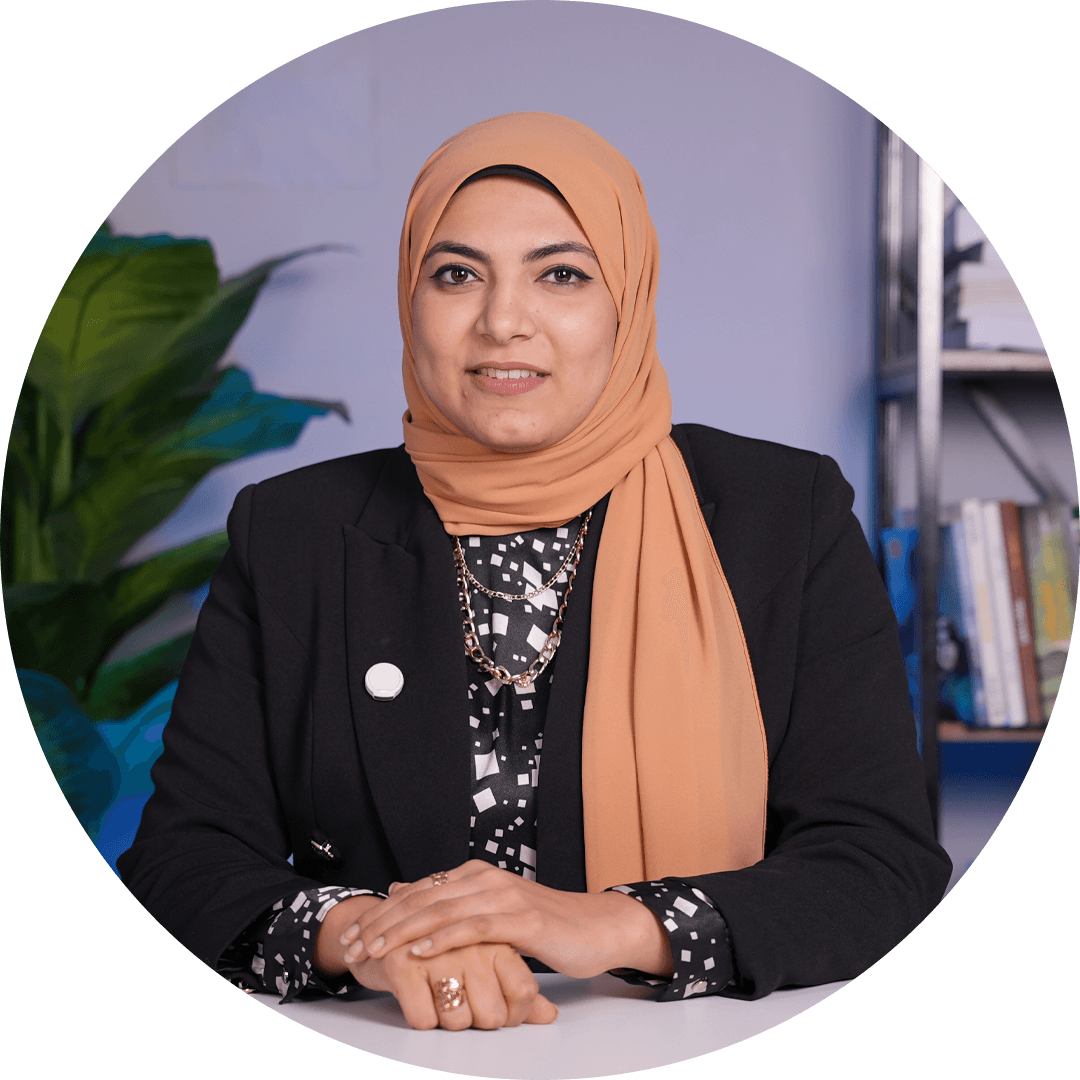
Dr. Yasmin Saied is an experienced clinical pharmacist, clinical pharmacy educator, and healthcare professional with more than seven years of clinical practice across general wards and highly specialized critical care settings, including the ICU, CCU, Neuro ICU, and MICU. Her career combines hands-on clinical expertise, academic education, professional mentorship, and healthcare management.
Dr. Yasmin currently works as a Clinical Pharmacist and Clinical Pharmacy Preceptor at Dar El Fouad Hospital, where she has gained extensive experience in critical care and has contributed to the training of healthcare professionals through clinical pharmacy internship programs. She also serves as an Academic Clinical Pharmacy Instructor at October 6 University and a Clinical Pharmacy Instructor at Plan P, reflecting her strong commitment to professional education and developing the next generation of pharmacists.
Her clinical experience also includes serving as a Senior ICU Clinical Pharmacist and Preceptor at El-Sheikh Zayed Central Hospital, where she contributed to clinical training and the development of practical pharmacy skills. She has been actively involved in establishing and updating clinical protocols, including antimicrobial stewardship, antibiotic dose adjustment in renal and hepatic impairment, IV drug administration and storage, anticoagulation in COVID-19, and pneumonia management. She has also contributed to COVID-19 management guidelines and healthcare publications at the Giza level.
Academically, Dr. Yasmin holds an MBA from the Arab Academy for Science and Technology and Maritime Transport, graduating with an A grade, in addition to a Clinical Pharmacy Diploma from Ain Shams University and a Bachelor of Pharmacy from Tanta University. She is also pursuing a Master's degree in Clinical Nutrition, further expanding her multidisciplinary healthcare expertise.
Beyond clinical pharmacy, Dr. Yasmin has developed experience in pharmacy management, marketing, and healthcare business. She previously served as a Branch Manager and Marketing Manager at Mahmoud Saad Pharmacies and has completed professional training in digital marketing, medical marketing, social media, and AI applications. This combination of clinical knowledge and business expertise enables her to bring a broader perspective to healthcare education and professional development.
With a strong passion for teaching, leadership, and continuous improvement, Dr. Yasmin combines real-world critical care experience with academic knowledge to help healthcare professionals translate clinical concepts into practical, evidence-based practice.

Can’t wait to reach them, brilliantly with Plan P!

Register now to access courses, certifications, and real-world training
© 2026 Plan P. All rights reserved.