Master the emergency management of Diabetic Ketoacidosis (DKA) with our comprehensive clinical course. You will learn to recognize the pathophysiology of DKA, navigate the complexities of fluid resuscitation, and safely administer insulin and electrolyte protocols. This course equips healthcare professionals with the critical skills needed to diagnose, monitor, and resolve this life-threatening hyperglycemic crisis.
By the end of this course, you will be able to:
Clinical Pharmacists seeking to optimize medication safety, manage complex continuous infusions, and ensure appropriate electrolyte replacement in critically ill diabetic patients.
Critical Care Nurses responsible for administering IV insulin, monitoring hemodynamics, and recognizing early signs of electrolyte toxicity or shifting acid-base balances.
Medical Students and Junior Residents looking to solidify their understanding of endocrine emergencies and the practical application of DKA management guidelines.
Healthcare Professionals involved in the acute care of diabetic patients who wish to enhance their clinical reasoning and problem-solving skills through real-world case studies
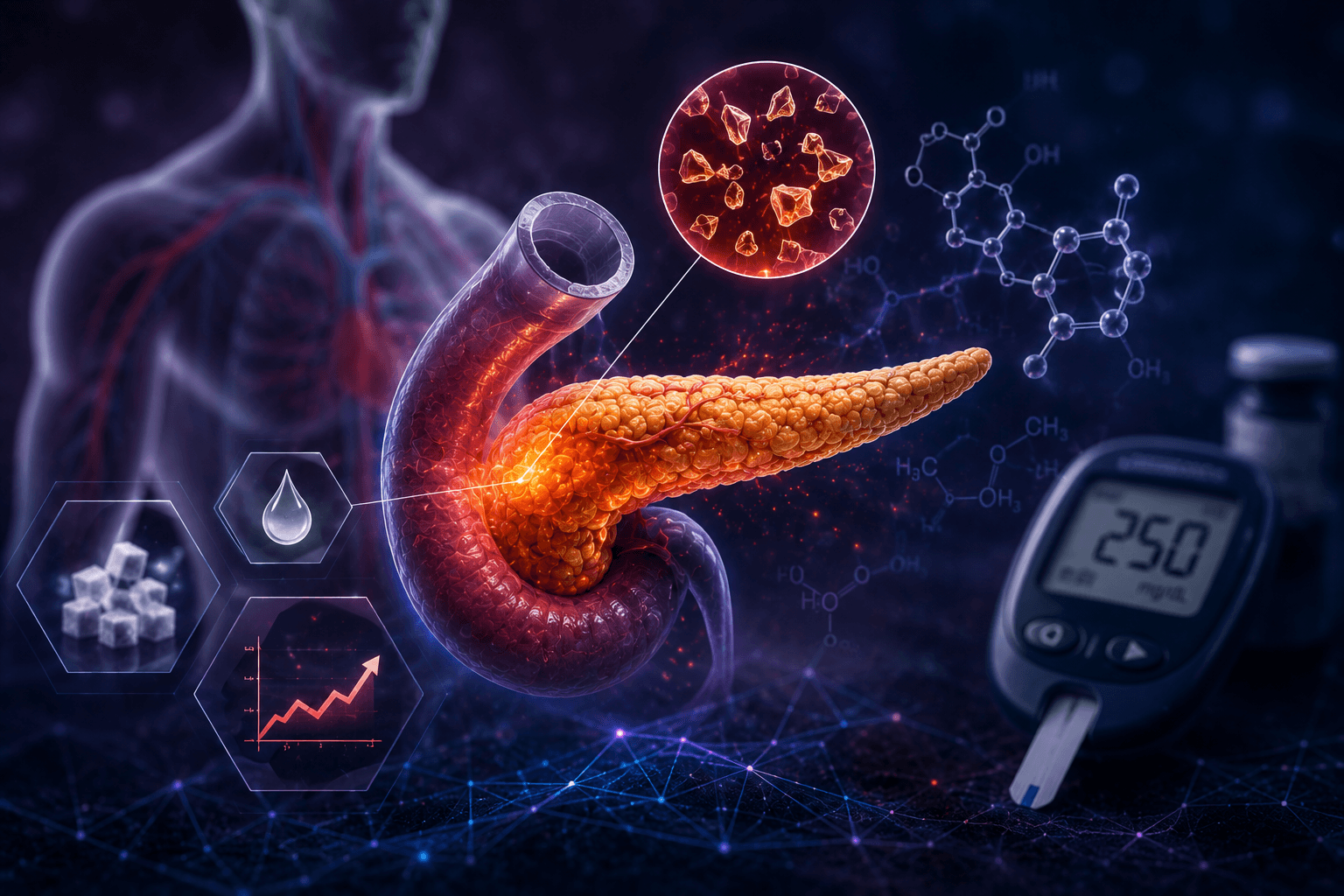
In this focused clinical course, you will dive deep into the acute management of Diabetic Ketoacidosis (DKA), a life-threatening complication of Diabetes Mellitus characterized by hyperglycemia, ketosis, and metabolic acidosis. The curriculum begins by establishing a strong foundation in the epidemiology and etiology of diabetes, recognizing the growing prevalence of the disease and the various risk factors contributing to DKA, such as missed insulin doses, infections, and physical inactivity. You will thoroughly explore the underlying pathophysiology, understanding the cascade of events triggered by absolute or relative insulin deficiency and the surge of counter-regulatory hormones (like glucagon, epinephrine, and cortisol) that lead to unrestrained lipolysis, glycogenolysis, and ketogenesis.
As you progress through the course, you will focus heavily on clinical diagnosis and the classification of DKA severity (mild, moderate, and severe) based on critical laboratory parameters like pH, serum bicarbonate, and the anion gap. You will learn to identify the classic signs and symptoms, including the "Five Is" (Infection, Infarction, Inappropriate insulin, Intoxication, Intercurrent illness), Kussmaul breathing, and polyuria. The core of the course provides a structured, evidence-based approach to DKA management. You will learn the nuances of fluid resuscitation (choosing the right fluid and monitoring output), the strict protocols for continuous intravenous insulin administration, and the critical importance of baseline and continuous electrolyte replacement, particularly potassium.
Ultimately, this course bridges the gap between theoretical pathophysiology and critical care at the bedside. Through interactive case reviews, you will synthesize patient data to make rapid, life-saving decisions, adjust treatment protocols dynamically based on blood gas and electrolyte results, and determine when a patient meets the criteria for DKA resolution. By emphasizing a structured, supportive approach, including the appropriate use of stress ulcer prophylaxis and targeted antibiotics for underlying triggers, this course empowers you to confidently manage complex DKA presentations in the emergency department and intensive care unit.
Diabetic Ketoacidosis is a major medical emergency; its complex interplay of profound dehydration, acidosis, and electrolyte shifts requires precise, timely, and protocol-driven medical intervention to prevent morbidity and mortality.
This course is essential because it will help you:
As the global incidence of diabetes continues to rise, mastering the rapid identification and treatment of DKA has become a mandatory competency for acute care clinicians, emergency room staff, and clinical pharmacists.

Dr. Fady Nady Geriages is a dynamic clinical pharmacist and educator with strong expertise in clinical pharmacy practice, antimicrobial stewardship, and healthcare training. With a PharmD from Ain Shams University and a solid academic background, Dr. Fady has built a career centered on optimizing patient outcomes through evidence-based pharmaceutical care and multidisciplinary collaboration.
He currently serves as a Clinical Pharmacy Specialist within the Cleopatra Hospitals Group at Nile Badrawy Hospital, where he actively contributes to clinical rounds, develops comprehensive pharmaceutical care plans, and plays a key role in training both undergraduate and postgraduate pharmacy students. Prior to this, he worked at Dar Al-Fouad Hospital in collaboration with Cleveland Clinic, where he was an integral member of the Antimicrobial Stewardship Program (ASP), managing restricted antibiotics and supporting institutional efforts to combat antimicrobial resistance.
Dr. Fady has demonstrated a strong commitment to education and capacity building, delivering hundreds of training hours for pharmacy students and healthcare professionals, as well as providing ongoing nursing education to enhance medication safety and patient care quality. His contributions extend beyond clinical practice to include policy development, process improvement initiatives, and active participation in pharmacy and therapeutics committees.
Throughout his career, Dr. Fady has consistently driven innovation within healthcare systems—whether through improving medication administration protocols, leading continuous education initiatives, or supporting hospital-wide responses during critical periods such as the COVID-19 pandemic.
Passionate about advancing clinical pharmacy practice, Dr. Fady combines clinical expertise, leadership, and educational impact to empower healthcare professionals and elevate standards of care across modern healthcare institutions.
Can’t wait to reach them, brilliantly with Plan P!

Register now to access courses, certifications, and real-world training
© 2026 Plan P. All rights reserved.